Aviamasters 2
Crash · BGaming
Set a stake and choose a speed mode, then watch the plane fly the round on its own and collect multipliers. Rockets halve the total, and a win is paid only if the plane lands on the carrier.
4.7 / 5
- Provider
- BGaming
- Game type
- Crash
- Free demo
- Yes
Aviamasters 2 Speed and Session Risk
In Aviamasters 2, speed mode sets the pace of play, not a different way to control the plane. Once a round is underway, the plane flies on its own, collecting multipliers as it goes. Rockets can halve the total, and a win depends on the plane landing on the carrier.
Choose a pace you can follow
A faster mode means events unfold more quickly; a slower mode gives you more time to follow changes during a round. Neither mode changes the game’s basic outcome conditions. The plane still needs to land on the carrier for a win, and rockets can still reduce the total by half.
Pick a pace that leaves enough room to think between rounds. If you want time to review your stake and decide whether to continue, use the slower setting. If you prefer a quicker session, the faster setting may suit you, but keep the same limits rather than letting the pace dictate your next decision.
Keep decisions consistent
Over several rounds, it is easy to confuse a change in pace with a change in risk. Speed affects how quickly you see the action; it does not make multipliers more predictable or make a carrier landing more certain. The following habits can help keep your session decisions deliberate:
- Choose your speed mode before starting, based on how much time you want to follow each round.
- Set a session budget in advance and avoid increasing it after a run of losses.
- Decide how long to play, then take a break when that limit is reached.
- Do not raise your stake just because the plane has collected multipliers in recent rounds.
- Pause between rounds if the pace is making you choose without thinking.
Playing responsibly means setting deposit and time limits before you begin, taking breaks, and stopping when your planned limit is reached. The outcome is chance, and no speed choice or pattern changes the expected result. Self-exclusion tools and free support services exist if you need help managing your play.
| Category | Aviamasters 2 |
|---|---|
| Provider | BGaming |
| Game type | Crash |
| Free demo | Yes |
Aviamasters 2 Game Guide
Aviamasters 2 by BGaming is a crash-style flight game built around a single flight. Set a stake and choose a speed mode, then start the round. The plane flies on its own, collecting multipliers along the way; rockets can cut the running total, and the landing on the carrier decides whether the round pays.
How a round plays
The player sets the stake and selects a speed mode before the flight begins. Once the round starts, the plane follows its course without further control from the player. Its progress and the changing total are the main things to watch as it travels.
Multipliers collected during the flight contribute to the running total. A rocket halves that total, so a flight can continue while its accumulated value drops. The result is not decided just by how much the plane gathers on the way: it depends on the landing.
Speed modes and flight pace
The speed setting changes the pace of the flight. It does not give the player control over the plane after the round has started, and it does not change the landing condition. Choose a mode before starting, then follow the flight as it plays out on its own.
A faster pace means the on-screen events unfold more quickly; a slower pace gives more time to follow them as they happen. Neither setting changes the underlying chance of the outcome. The useful distinction is how quickly the round moves, not a different way to secure a result.
Multipliers, rockets and the landing
Multipliers build the running total as the plane collects them. Rockets have the opposite effect: each one halves the total at that point in the flight. This makes the total a changing value rather than a fixed reward earned simply by reaching a particular point.
The carrier landing is decisive. The win is paid only if the plane lands on the carrier; collecting multipliers alone does not settle the round. If the plane falls instead of landing, the round ends without a win. There is no action that lets the player end the flight early, so the outcome follows the plane through to its landing or fall.
- Stake: Set the stake before starting the flight.
- Speed: Choose a speed mode before the round begins.
- Flight: The plane travels on its own once play starts.
- Multipliers: Collected multipliers add to the running total.
- Rockets: A rocket halves the total.
- Landing: A carrier landing is required for a paid win.
Trying the demo
A free demo lets you see how the flight works before deciding whether to play for stakes. Use it to get familiar with the speed setting, the changing total and the carrier landing that determines the result. The demo is a way to try the game’s flow; it does not predict a later outcome.
If you choose to play for stakes, use an operator licensed where you live and set a budget before starting. Keep the stake within that limit rather than treating a multiplier or a previous result as a guide to what comes next.
Chance and responsible play
The outcome is chance, and no speed setting or pattern changes the expected return. Set a deposit limit and a time limit before playing, and take breaks. Self-exclusion tools and free support services exist if you need help managing your play.
Aviamasters 2 pros and cons
How to Play Aviamasters 2
Choose a stake
Set your stake before the round begins.
Select a speed mode
Pick a speed mode to set the pace of the flight.
Start the flight
Start the round and let the plane fly on its own, collecting multipliers as it goes; rockets halve the total.
Follow the landing
Watch for the landing: the win is paid only if the plane lands on the carrier.
See how the flight resolves
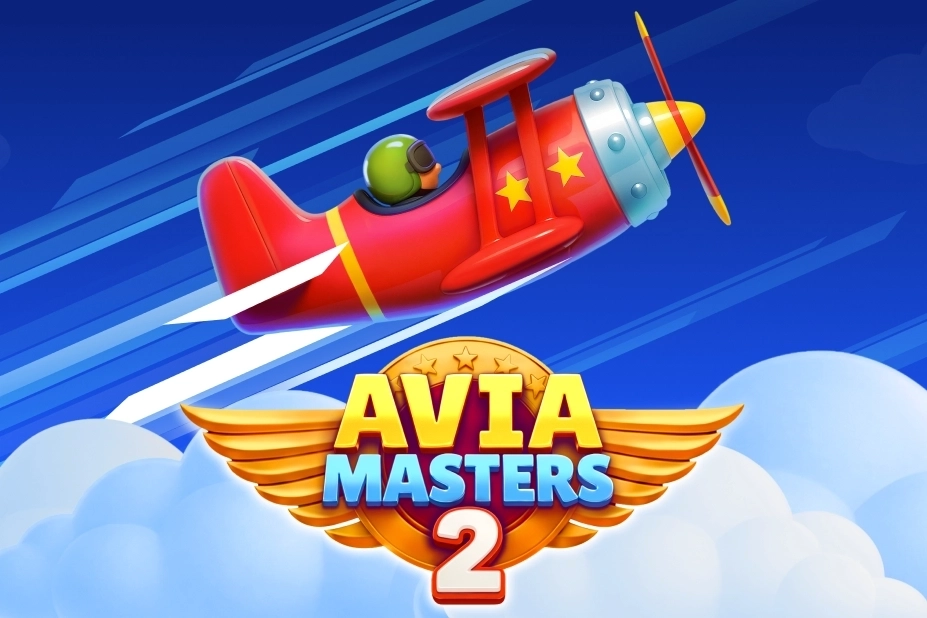
Try the demo to follow the plane from take-off to its landing on the carrier. The round’s outcome depends on that landing, with rockets able to halve the total along the way.
Aviamasters 2 Player Reviews
Runs smoothly on my phone, even on a weak connection.
I like that I can pick a small stake and just enjoy a few rounds.
Took me a couple of demo rounds to get it, then it clicked.
Aviamasters 2 Game Features
Stake and speed
Set a stake and choose a speed mode before the round begins. The selected mode changes the flight speed.
Flight and rockets
Once the round starts, the plane flies on its own and collects multipliers along the route. Rockets halve the total collected so far when the plane hits one.
Carrier landing
The round ends when the plane reaches the carrier or falls. A win is paid only if it lands on the carrier.
Aviamasters 2 FAQs
Find answers about trying Aviamasters 2 in demo mode, its gameplay and who may enjoy it. The FAQs also cover how a round ends.
Can I try Aviamasters 2 in demo mode?
Who might enjoy Aviamasters 2?
Who developed Aviamasters 2?
How does an Aviamasters 2 round end?
Megan Foster writes about crash and instant games, including their mechanics, risk and volatility. Her guides explain how each round works and what players can expect from its controls.